There’s A New Subway On The Way (5)

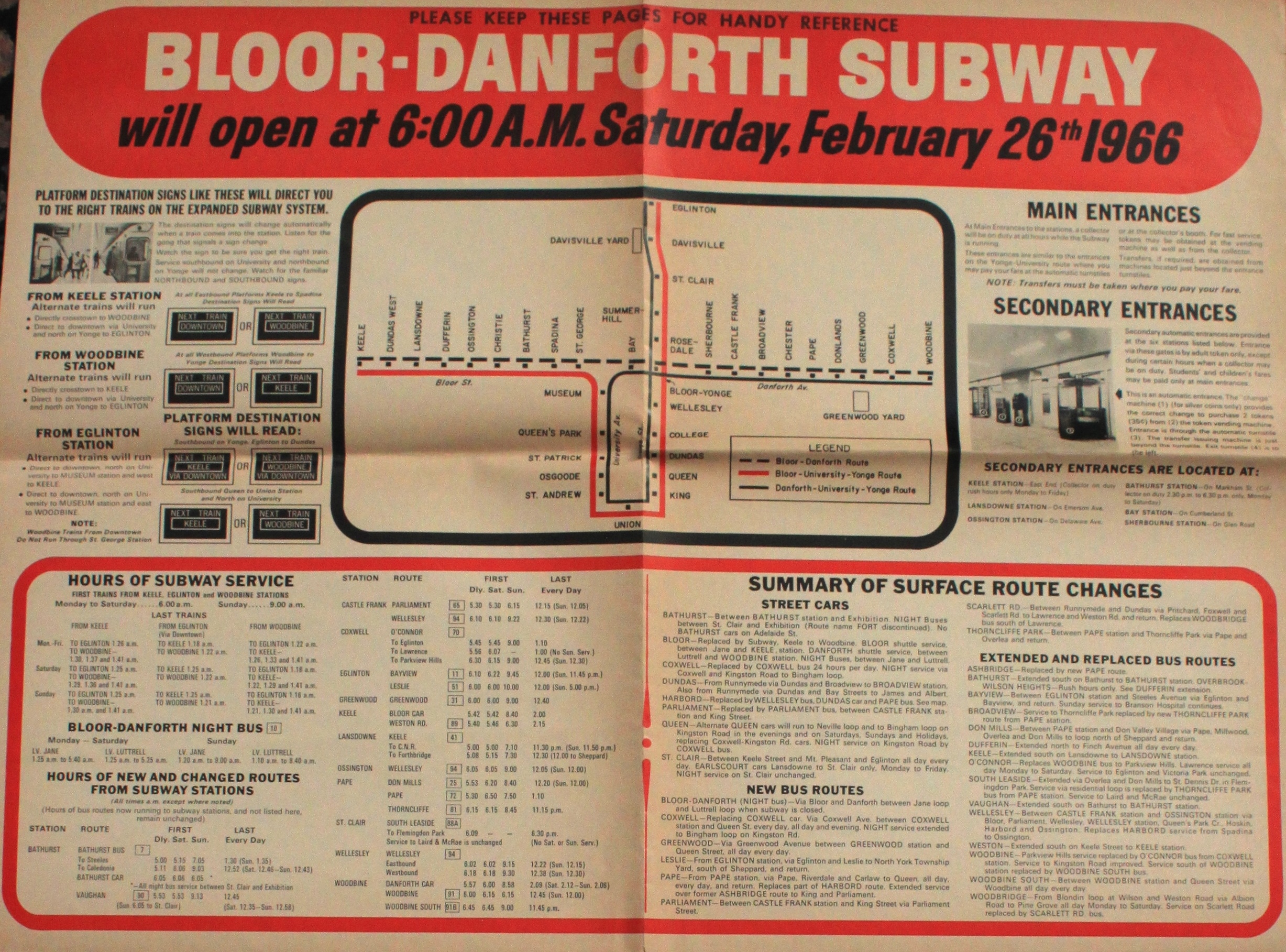
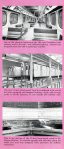
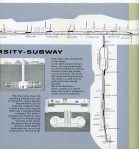
The new subway would bring major changes in travel throughout the transit network.  The TTC produced a large poster, the size of a two-page foldout in newspapers of the day explaining many features of the line and its operation.

BDNews1

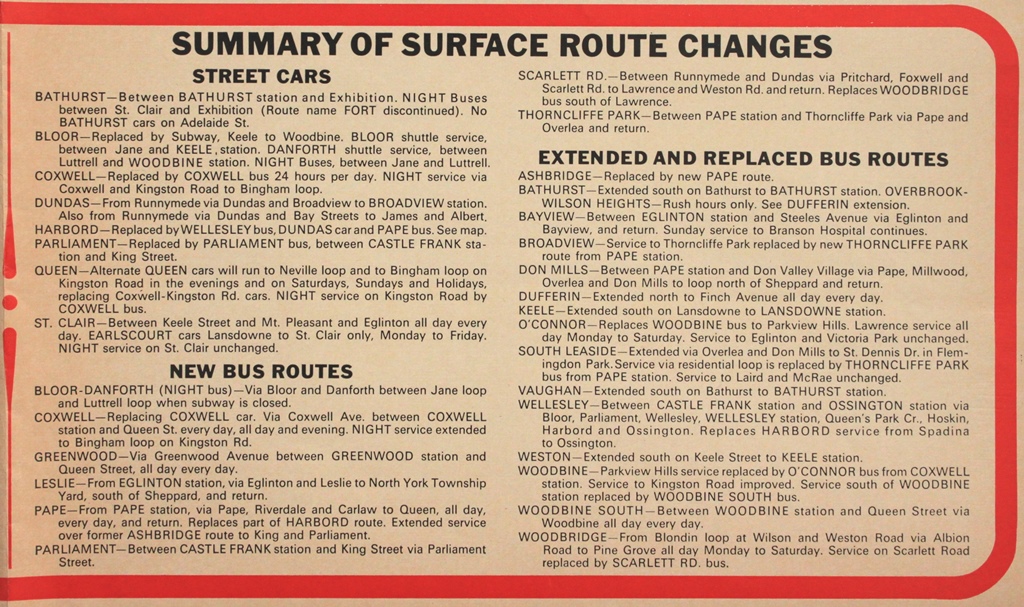
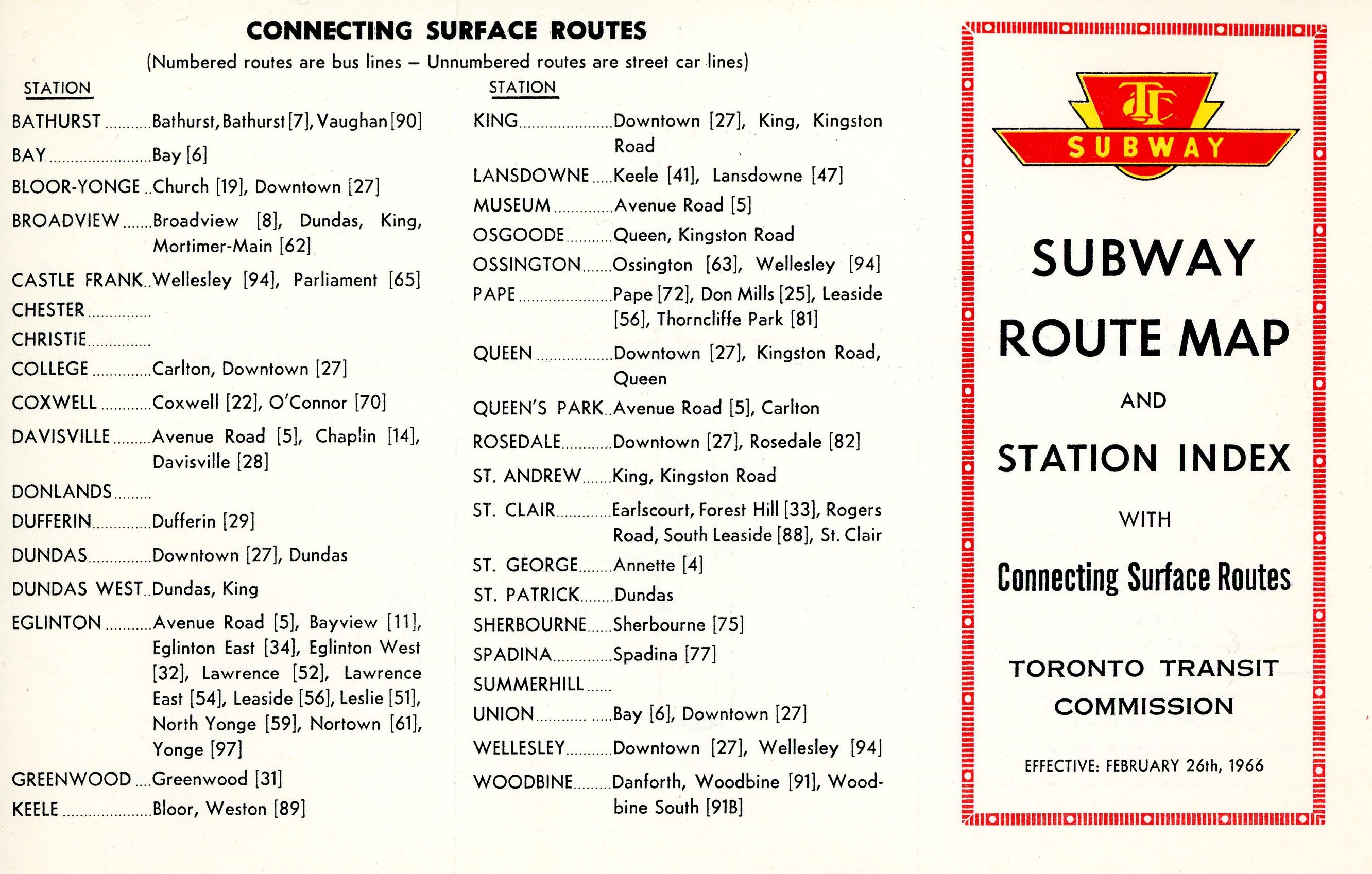
Probably the largest reorganization of routes in the TTC’s history accompanied the opening of the new subway including the change or removal of several streetcar lines. This was to be the beginning of a gradual dismantling of streetcar operation leading to the opening of a Queen Street subway in 1980.

BDNewsRoutesw

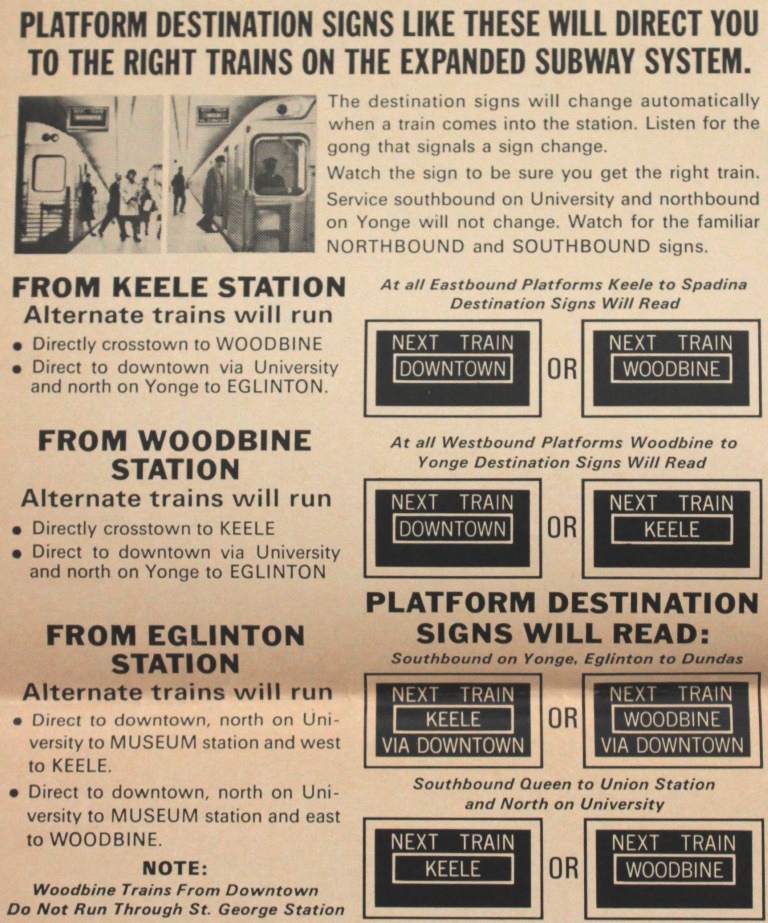
Lest passengers be confused about the destination of their trains with the integrated subway service, platform signs would indicate where the next train was headed. The signs remain on many platforms with their displays fixed to the now-standard destinations.

BDNewsDestSignsw

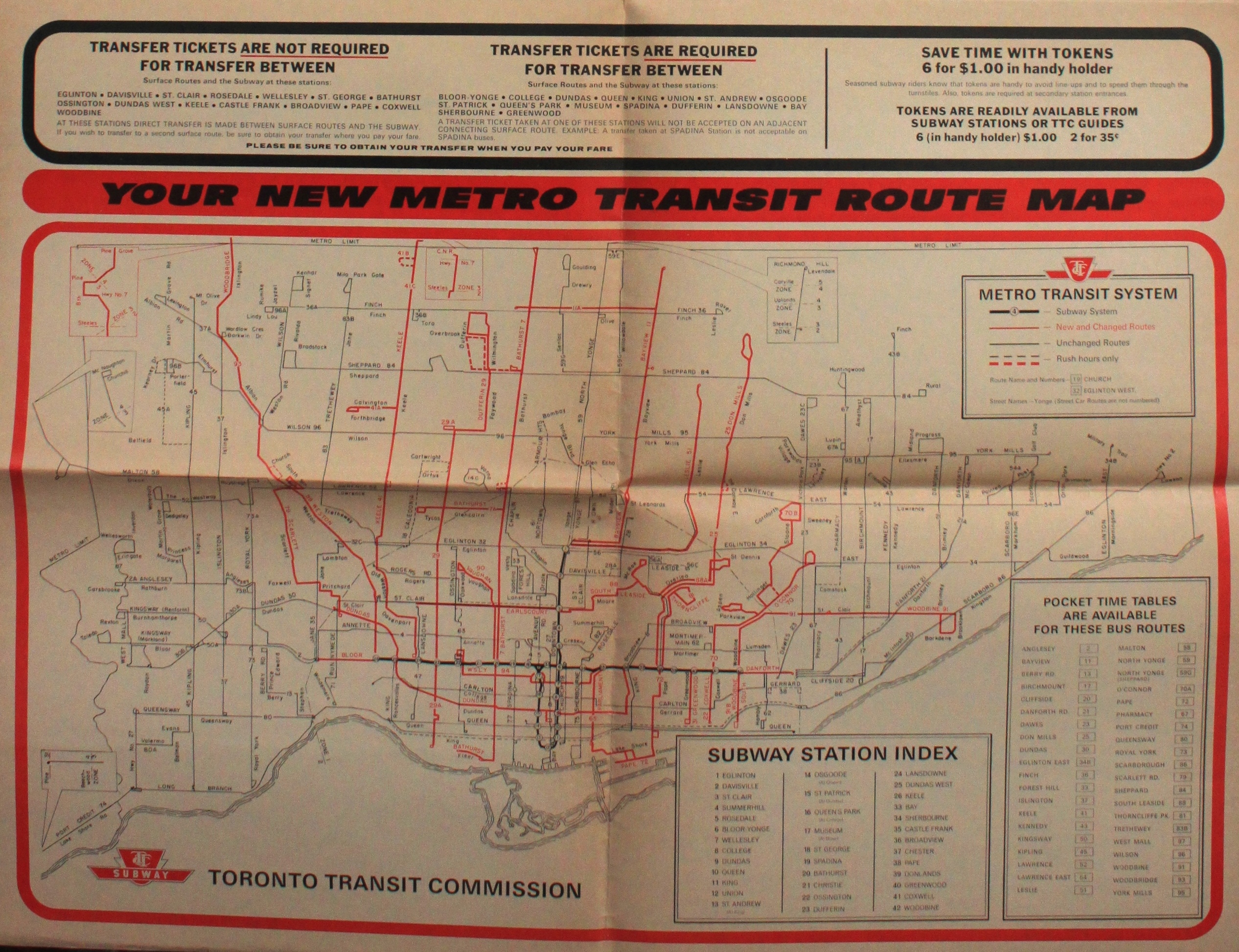
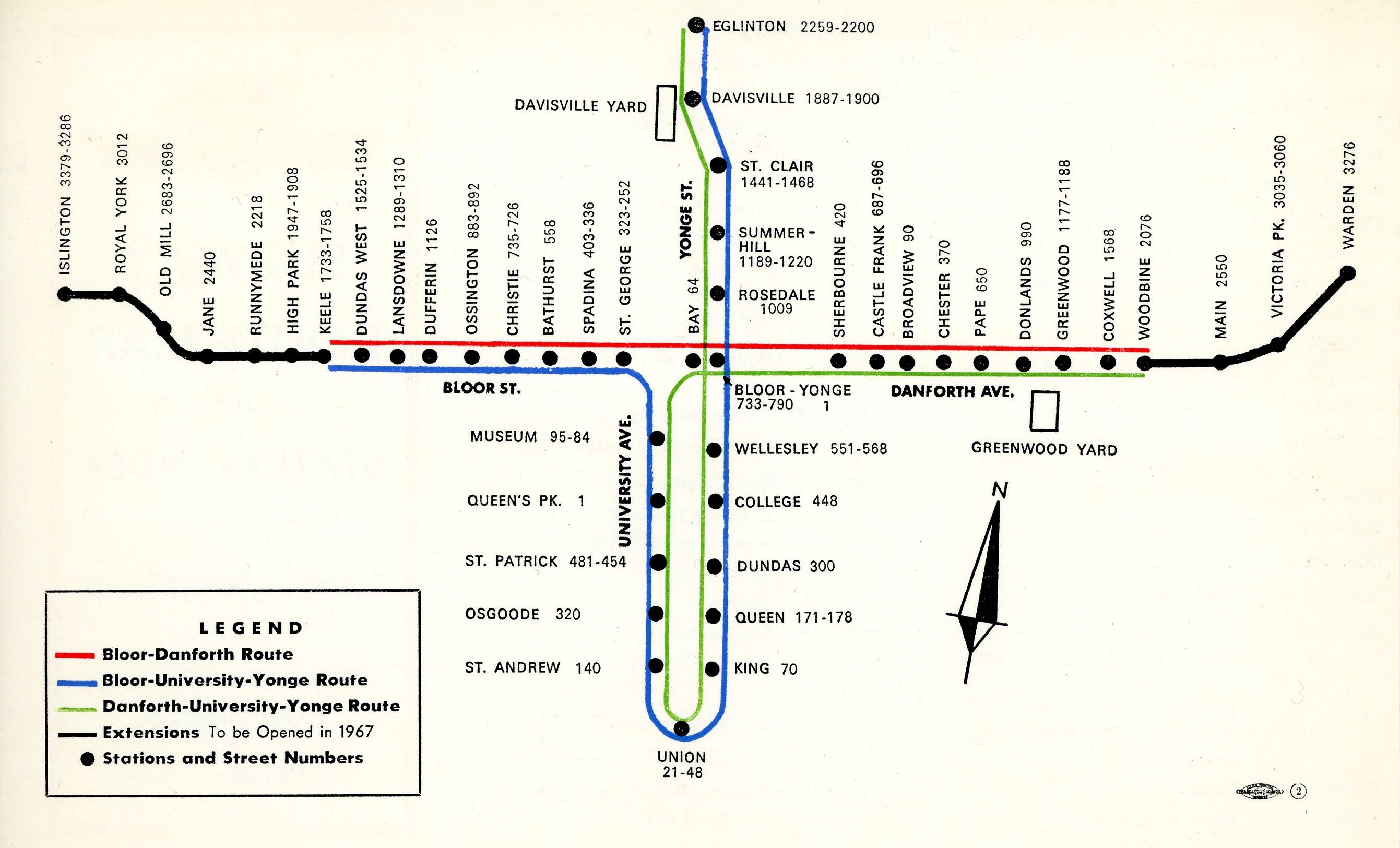
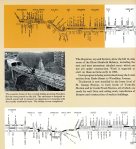
The two-zone fare system still existed, although its boundary would not be punctured by the subway until the extensions beyond the old City of Toronto opened. The fine boundary line is visible in the route map below.

BDNews2

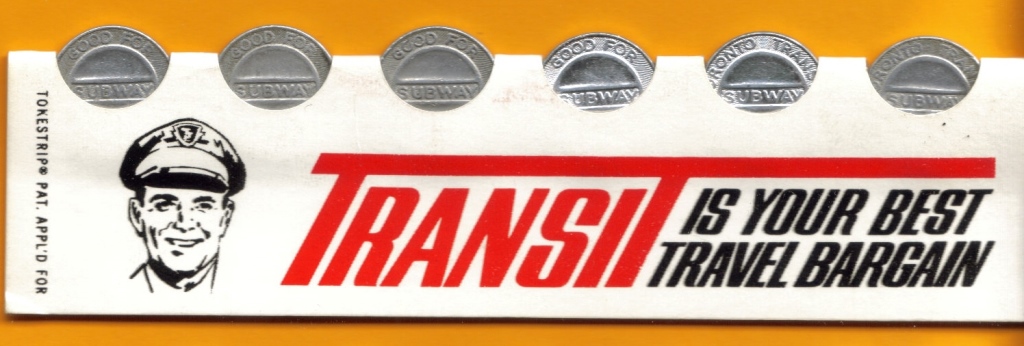
Adult tickets were still a common method of fare payment, and the TTC exhorted travellers to switch to the mode used by “seasoned subway riders”, tokens, at the princely price of 6 for $1 in handy cardboard holders.

TokenHolder6

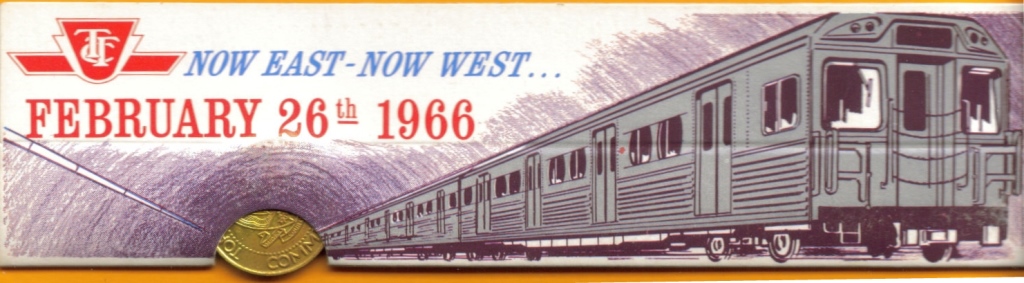
For the opening, a special commemorative token holder was issued.

TokenHolders1

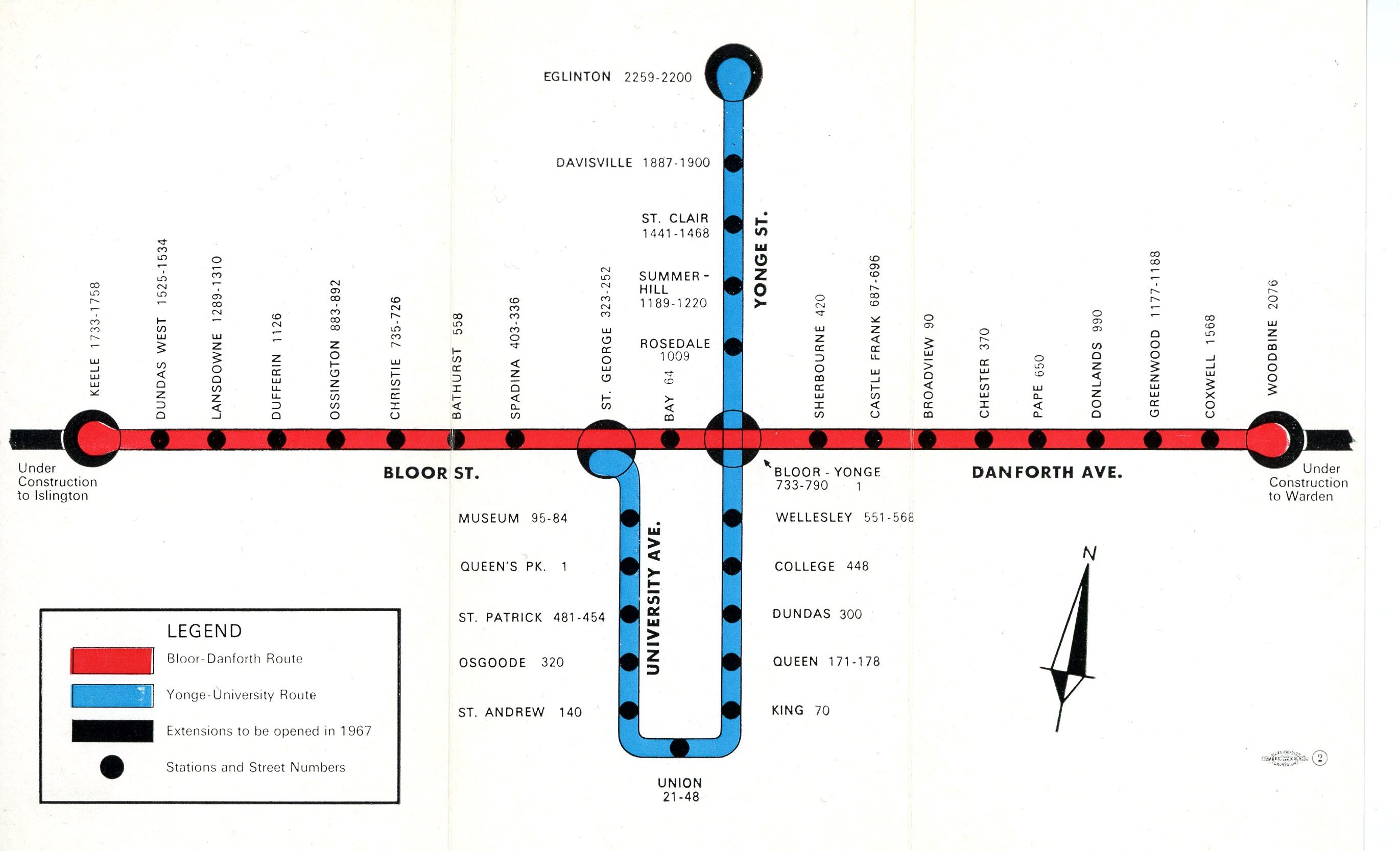
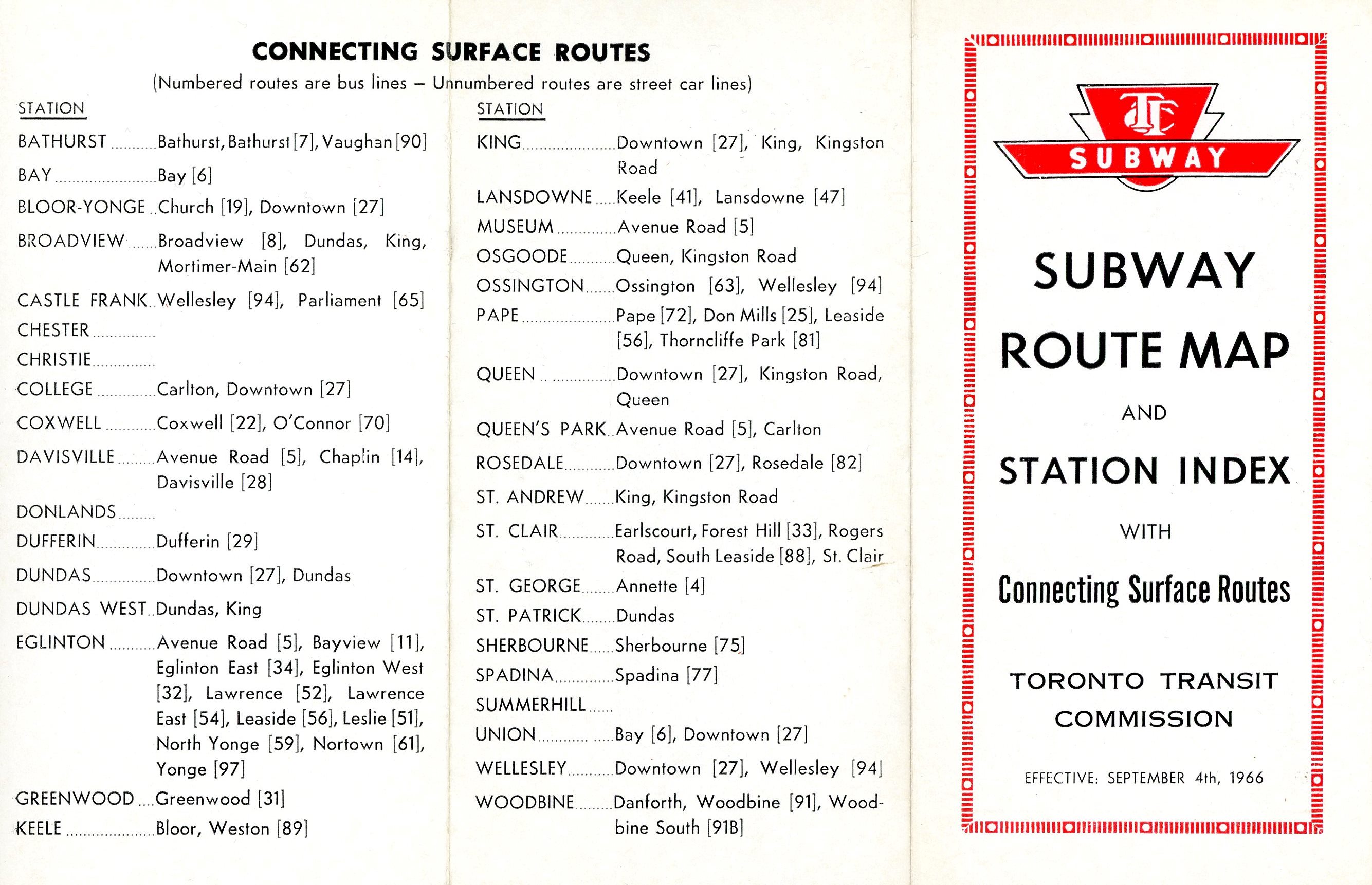
The subway had its own pocket route map.

BDMap660226B

BDMap660226A

Six months later, this would change to the routes we know today.

BDMap660904B

BDMap660904A

There’s A New Subway On The Way (4)

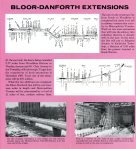
February 1966 saw the opening of the Bloor-Danforth’s Keele-to-Woodbine stretch, and an extension to North York was already in the cards, albeit only to Sheppard Avenue. Like the BD extensions to Scarborough and Etobicoke, this segment would itself grow another two kilometres. The original plans called for the line to be built parallel to and west of Yonge Street just as the route south from Eglinton had been, but demolition of a swath of homes through North Toronto was not in the cards. The alignment eventually chosen lay directly under Yonge with a bored tunnel north to Sheppard. (The Finch extension would later be built cut-and-cover through the then much less-developed Willowdale.)

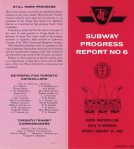
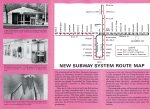
Progress Report 6 includes a few choice items including the coin changer at an automatic entrance (fares were 6/$1.00), the speed ramp linking the temporary Bloor streetcar shuttle platform at Keele Station to the eastbound platform, and a reference to Metro Toronto’s “balanced transportation system”. That was the standard buzzphrase used to sanitize a combination of subway and highway building in the 60s, and the Spadina Expressway project was very much in the foreground at the time.

The integrated service with trains running through the wye between the BD and YUS routes was now described as a six-month trial to be followed by a similar test period for separate routes.

The extensions were well underway, and the original balance of lengths east and west had been abandoned in favour of a more sensible Etobicoke terminal at Islington.

There’s A New Subway On The Way (3)

By mid 1964, the University subway had been running for over a year, and the Bloor-Danforth line’s opening was set for early 1966. Extensions to the east and west were already approved, although the Etobicoke segment ended at Montgomery Road on the east side of Mimico Creek. This would later be changed to Islington, and the stations at Prince Edward and at Montgomery were consolidated into a single stop at Royal York.

With most of the line built by cut-and-cover, work was underway in many locations simultaneously, aided by the final added funding contribution from the Metro Toronto government. Unlike more recent projects, where political wrangling and tax saving measures dictated that construction run as slowly as possible, the BD line’s construction was a high priority in its day.

Yorkville became the centre of Toronto’s 60’s culture, complete with an endless stream of tourists driving through to gawk at the hippies through closed windows. The name had such an unsavoury reputation for up-tight pols that in time the station would be renamed “Bay” with “Yorkville” as a subheading. Now it is one of the poshest areas in the city.

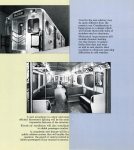
A fleet of 164 subway cars was on order. These were the “H-1” trains as they would be known after their manufacturer, Hawker-Siddeley, at what is now the Thunder Bay plant of Bombardier.

A Rainbow of Rapid Transit

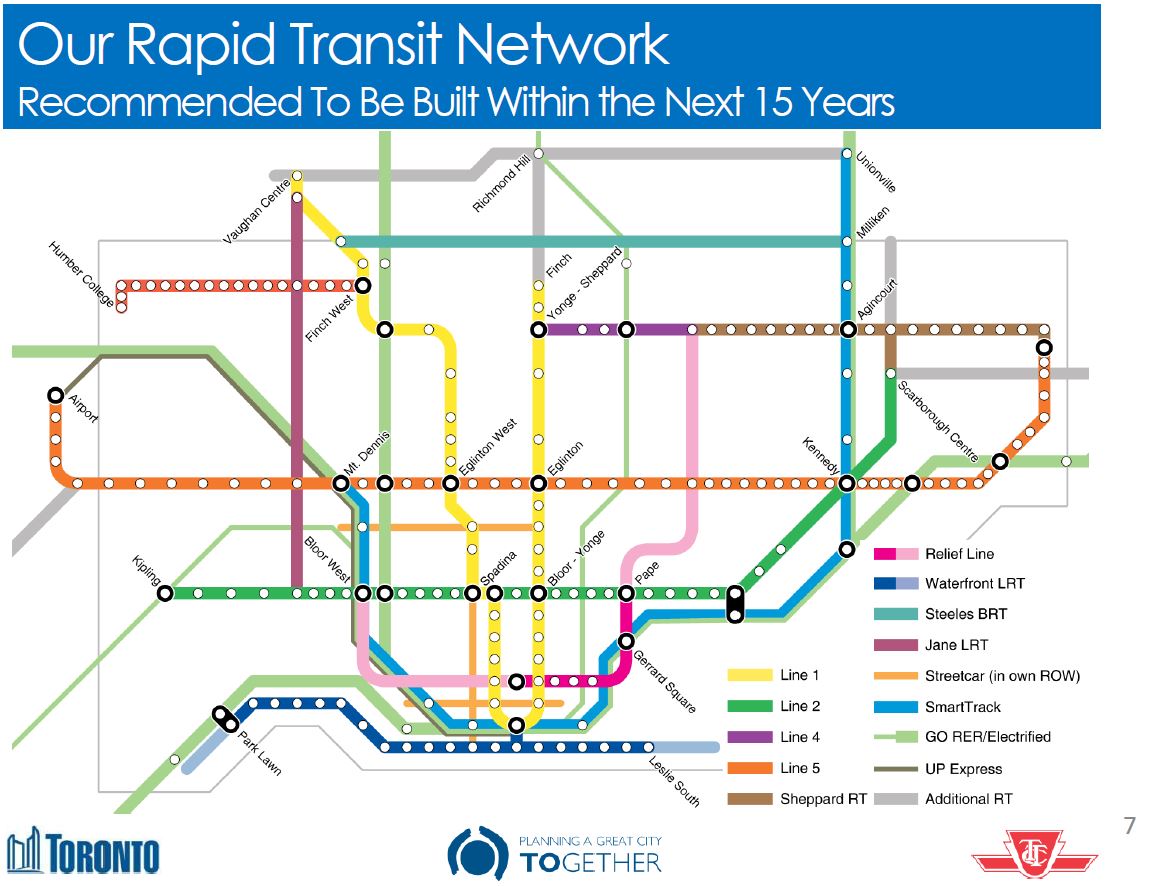
In Toronto’s never-ending fascination with new transit maps, the City Planning department has released a vision for our rapid transit network as it will be in 15 years.

201602_15YrPlan

Despite much talk of “evidence-based” planning, this is a very political map, and I cannot help remembering then-Premier David Peterson’s announcement of 1990 (not long before he lost an election and Bob Rae wound up as his much-surprised replacement) that amounted to a chicken-in-every-pot map.

There is nothing wrong with network-based planning, and indeed I have been beating a well-worn drum on that subject for years. But let us also remember that the Scarborough Subway exists because of the political clout of Brad Duguid, a former City Councillor, now Ontario’s Minister of Economic Development. Mayor John Tory, in Toronto Life, cites Duguid as saying that “if anyone tries to cancel the [Scarborough] subway, they’ll do it over his dead body”. “Evidence” apparently includes having a large cudgel to keep wandering pols in line.

The map also includes the Mayor’s pet project, SmartTrack, and it’s no wonder that he steers clear of the Minister’s position given the need for a provincial agency, Metrolinx, to accommodate SmartTrack on their network.

All of this is part of the “Motherlode” of public consultation sessions now running in various places around the City, and through Metrolinx in the wider GTHA. Background information and links to related material are available at Toronto’s TransitTO web site.

Continue reading

There’s A New Subway On The Way (2)

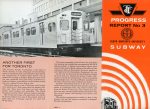
As construction progressed on the Bloor-Danforth-University subway, the TTC issued progress reports from time to time.

Progress Report 3 predates the opening of the University leg of the project. By this time, a funding contribution from Queen’s Park brought the then estimated completion date back from 1969 to 1967.

The first batch of aluminum 75-foot cars, a form that would become standard for Toronto, came from Montreal Locomotive Works. All subsequent orders went to the plant in Thunder Bay now owned by Bombardier.

There’s A New Subway On The Way

With all the hoopla about yet another new transit plan for Toronto, it’s time to remember that the 50th birthday of the Bloor-Danforth subway is coming up in a week’s time. Depending on which event you consider the “real” birthday, it will either be Thursday, February 25 (the anniversary of the ceremonial opening) or Friday, February 26 (the first day of revenue service).

Over the next week I will post some ephemera from that era when Toronto launched on a major subway building project.

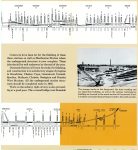
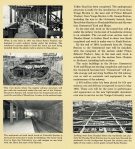
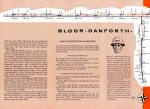
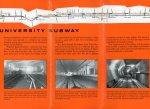
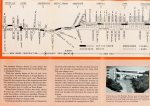
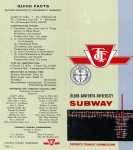
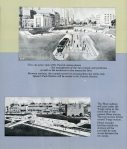
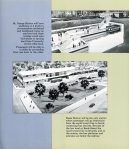
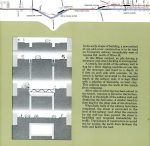
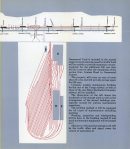
The handout below was a publicity piece for the Bloor-Danforth-University subway project. Among items of interest are:

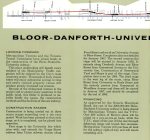
  • The expected construction time was 9 years broken down as the University Line (3.5), Greenwood to University including Greenwood Yard (4), and the remaining pieces east from Greenwood to Woodbine, and West from St. George to Keele (2.5). Almost all of the line was built cut-and-cover , and the city expropriated a swath of houses along most of the route to the north of Bloor Street and Danforth Avenue. This strip is now home to parking lots, a few parks, subway entrances, and the occasional new building sitting right on top of the subway.
  • The original completion date to the terminals at Woodbine and Keele was planned to be 1969, but work was accelerated thanks to additional funding from the Metropolitan Toronto government and Queen’s Park.
  • The paintings showing what the new stations would look like date from 1956 and 1957, before the project had been approved by Metro Council.
  • The map of the route includes the original names for most of the stations including Vincent, Walmer and Yorkville. By the time this was printed, “Willowvale” Station had already changed to “Christie”, but the park to the west retained its original name.

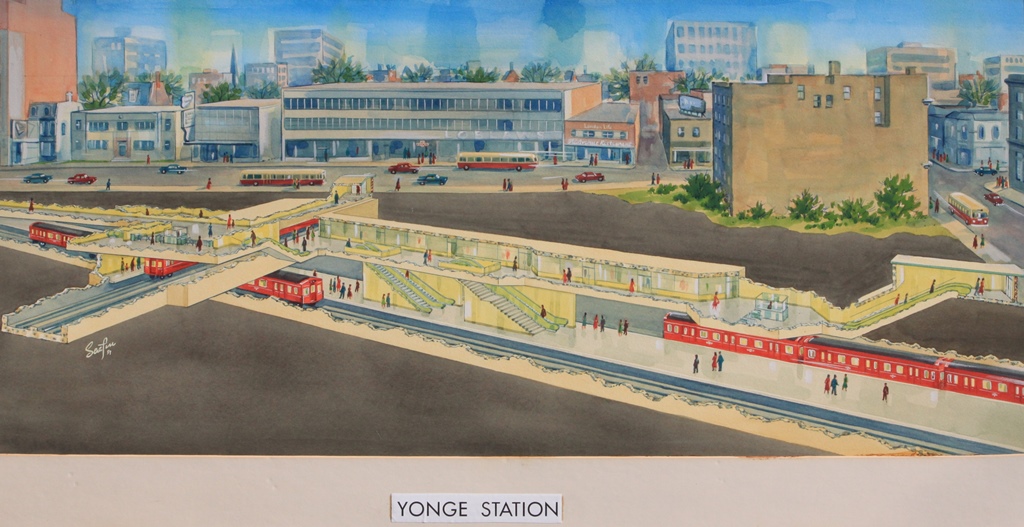
The station illustrations are by Sigmund Serafin whose work also shows up in samples of the original Yonge line station designs. Of the four stations shown here, none was built exactly as shown. You can see the full set on Transit Toronto. The eight water colours were rescued from a housecleaning binge at the TTC in the late 1960s when much material went into various private collections lest it simply disappear. These paintings are now back with the TTC who plan to issue them as posters later this year, and the originals will go to the City Archives.

Here is Bloor-Yonge Station in all its mid-50s glory, with Gloucester trains, no Hudson’s Bay building and a lot of Bloor-Yonge streetscape that has vanished over the years.

Yonge_Station_Serafin_1957w

For a detailed history of the Bloor subway, visit Transit Toronto.

The Dubious Joys of Making a Public Deputation

TTC Board meetings (not to mention meetings of various Committees of Toronto Council) often entail a series of presentations by members of the public. In Toronto parlance, these are “deputations”. Some of these are entertaining, some are heartbreaking, and some are, let’s face it, an ongoing soapbox for a few regulars who can be counted on to show up at every meeting. I used to fall into that category, at least until I got my own much larger soapbox with this site.

It is no secret that some members of boards and committees regard this as a huge waste of time. It is common to see many of them wander out of the room, hold press scrums, consult their email, and generally ignore what the poor, ignorant public might have to say. Moves to restrict speaking time, normally five minutes, to three, or to limit a speaker to one presentation regardless of the number of items they might wish to address, are not unusual.

They are also wrong, very wrong.

Continue reading

A Smarter SmartTrack

The SmartTrack scheme was born of an election campaign, but it was John Tory’s signature project, one he is loathe to relinquish despite its shortcomings.

What’s that you say? I am just being one of those “downers” who cannot see our manifest destiny? What’s that line about patriotism and scoundrels?

At the recent Executive Committee meeting, Tory actually had the gall to say that during the campaign, he didn’t have access to a squad of experts and had to make do with the people he had. Funny that. This is the crowd that estimated construction costs on the back of an envelope, who “surveyed” the line using out of date Google images, who ignored basics of railway engineering and capacity planning to make outrageous claims for their scheme.

When the dust settled and John Tory became Mayor Tory, I thought, ok, he will adapt his plan. Indeed, it didn’t take long for a reversal on TTC bus service and the recognition that Rob Ford had stripped the cupboard bare and then started to burn the lumber at the TTC. A campaign attack on Olivia Chow’s (far too meagre) bus plan changed into championing the restoration of TTC service to the days of the “Ridership Growth Strategy” and beyond. Good on the Mayor, I thought, he can actually change his mind.

SmartTrack is another matter, and what Tory, what Toronto desperately needs is a fresh look at what GO, SmartTrack and the TTC could be if only the fiefdoms and the pettiness of clinging to individual schemes could be unlocked. That would take some leadership. I wonder who has any?

Inevitably comments like this bring out the trolls who say “so what would YOU do” (that’s the polite version). Here’s my response as a scheme that bears at least as much importance as a way of looking at our transit network as the competing visions in the Mayor’s Office, Metrolinx, City Planning and the TTC.

Continue reading

Thoughts On A Liberal Government

This blog has been churning along since January 2006, and for almost all of that time, Stephen Harper and his Conservatives have been running Canada. The idea that Ottawa would have a significant role in transit beyond the occasional showcase project simply was not part of the landscape.

Now, to everyone’s amazement, we have a Liberal majority government, one whose campaign platform includes a very substantial presence in infrastructure spending including the public transit portfolio.

We will get our communities moving again, by giving our provinces, territories, and municipalities the long-term, predictable federal funding they need to make transit plans a reality.

Over the next decade, we will quadruple federal investment in public transit, investing almost $20 billion more in transit infrastructure. [Liberal platform p 12]

That is a lot of new spending, but is has to stretch over the entire country and the next ten years. Advocates of many schemes will project their enthusiasm onto that pot of money saying “Look! We have funding”, but it’s not that simple.

It is instructive to look at how funding is divided up today. The federal gas tax allocations for 2014-15 totalled $2-billion of which $750-million went to Ontario, and of that about 20%, $150-million, to the City of Toronto for transit capital spending. On a proportionate basis, this would yield only $1.5-billion “more” funding over the next decade. This has to be read in the context of targeted funding for specific projects such as the Spadina subway extension that lies outside of the gas tax stream. If all of the new Liberal funding comes from that $20b pot, the actual change, all things considered, may not be as generous as expected.

Other funding lines in the Liberal platform focus on housing and non-transit infrastructure. These are not to be ignored especially to the extent that they relieve municipal governments of spending where they have carried a substantial share of the programs. However, if total spending goes up, Toronto may be forced to bump its investment level in transit and other portfolios because “we don’t have a funding partner” will no longer be a convenient excuse for inaction.

Whatever money does appear on the table, it will not be enough to build every single pet project, and Toronto cannot evade hard decisions about priorities claiming that the Feds will shell out for everything. There is also the delicate question of how much new matching funding will arrive from Queen’s Park Liberals who do not share the deficit spending plans espoused by their federal cousins.

Capital projects, especially on the scale of transit infrastructure, require a long view. Projects may be “shovel ready” in some cities, although Toronto has little in that status thanks to years of dithering and backtracking on transit priorities. Major proposals would do well to reach significant construction spending within the current federal mandate or even well into whatever follows. Toronto may build a bus garage here or renovate a subway station there in the short-to-medium term, but the big projects are years away.

This brings us to the rationale for new spending. If the idea is to stimulate the economy and create employment in the short term, a clear focus of Conservative programs, then long term project funding is doomed. Conversely, if the aim is to invest in the future of Toronto, the GTHA and cities in general, a longer view is possible at the expense of big, immediately visible results and ribbon cutting.

Inevitably, the conflict will be between one shot announcements and “long-term predictable funding”. These address very different political goals and produce very different outcomes. Without a shift away from unpredictable ad hoc decisions (the Scarborough Subway and SmartTrack promises are two examples), local pols will continue to jockey for yet more isolated planning to suit quick political ends, rather than looking at broad-scale goals and benefits. Long-term funding only works with long-term planning.

Absent from any federal platforms was new federal money for transit operating costs. These will grow through the combined pressures of inflation, population growth, shifts from auto to transit and eventually the need to operate all of the new buses, LRVs and subway trains that might arrive thanks to higher capital spending. Operating subsidies, service quality and fare strategies will challenge municipal budgets, and the long-standing question of provincial funding, of getting back to the “Davis formula”, cannot be ignored.

There is a new government, a new outlook on national priorities, and the debate on our transit future begins today. We all want more transit, but nothing is free, and even the “new” money has its limitations. Let us spend it wisely.