When 95% Really Isn’t 95%

Many shouts of “hurrah” have been heard around transit circles with the news that the TTC will be operating service at 95% of pre-pandemic levels on the bus network in early 2024 building up to 97% by the Fall.

The key question here is “95% of what?”

To make this a tad simpler, consider a rider who is told that service is back to 100%. To someone waiting on a street corner, this means that the bus will arrive (or at least be scheduled) at the same frequency as it was four years ago before the covid cuts tore through many routes’ service levels.

At the risk of disappointing readers, they should not rush out on January 7, 2024 when the next schedules come into effect waiting for the miracle of restored transit service to roll down their street.

Politicians and management who trumpet the return to “full service” should qualify their excitement with the fact that service on many routes is less frequent than it was in 2020.

“Service” also includes crowding standards. It is hardly valid to claim full service restoration if crowding standards pack more riders per vehicle before service is improved, and even that depends on available vehicle hours in the budget. It has been many years since the TTC published current loading stats and a list of routes that are operating beyond standards.

Truly restoring full service will require more resources than the TTC has been given or will see in the 2024 budget, and a political will to talk about “service” in a way that reflects rider experience.

Continue reading

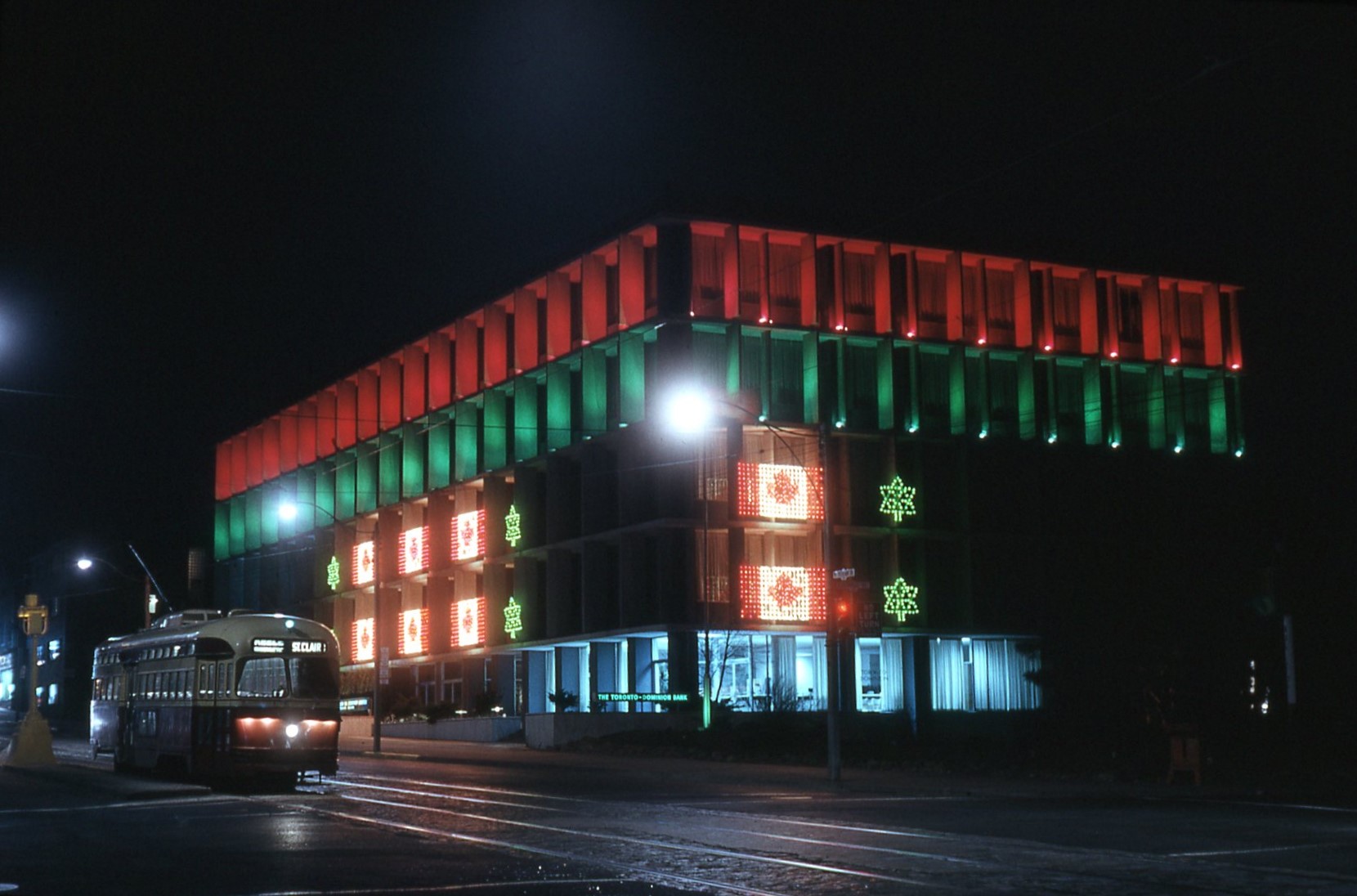
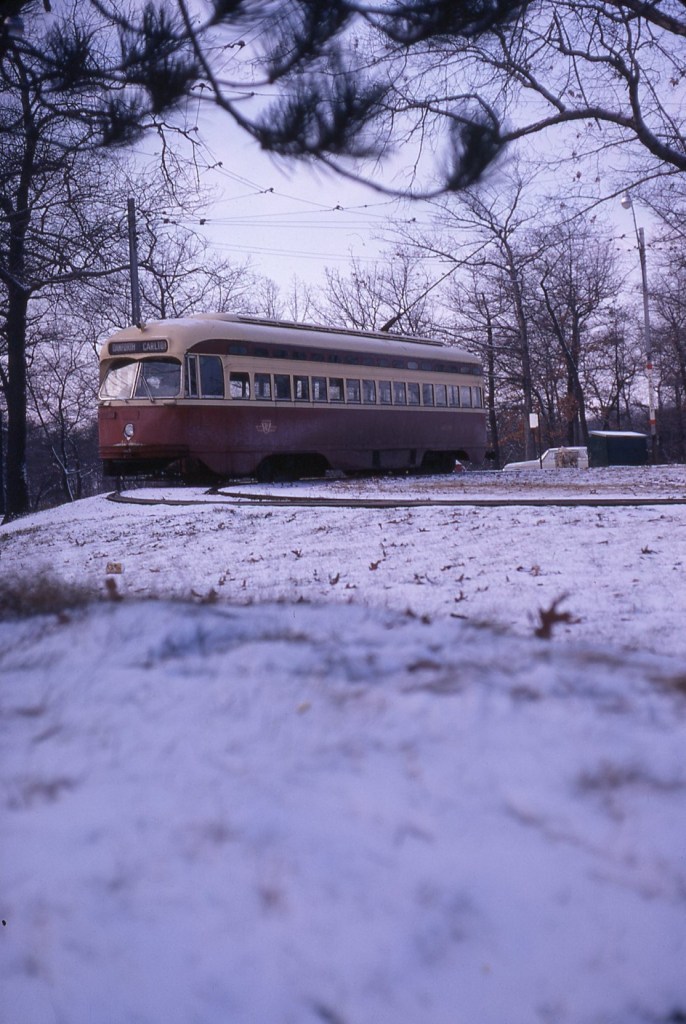
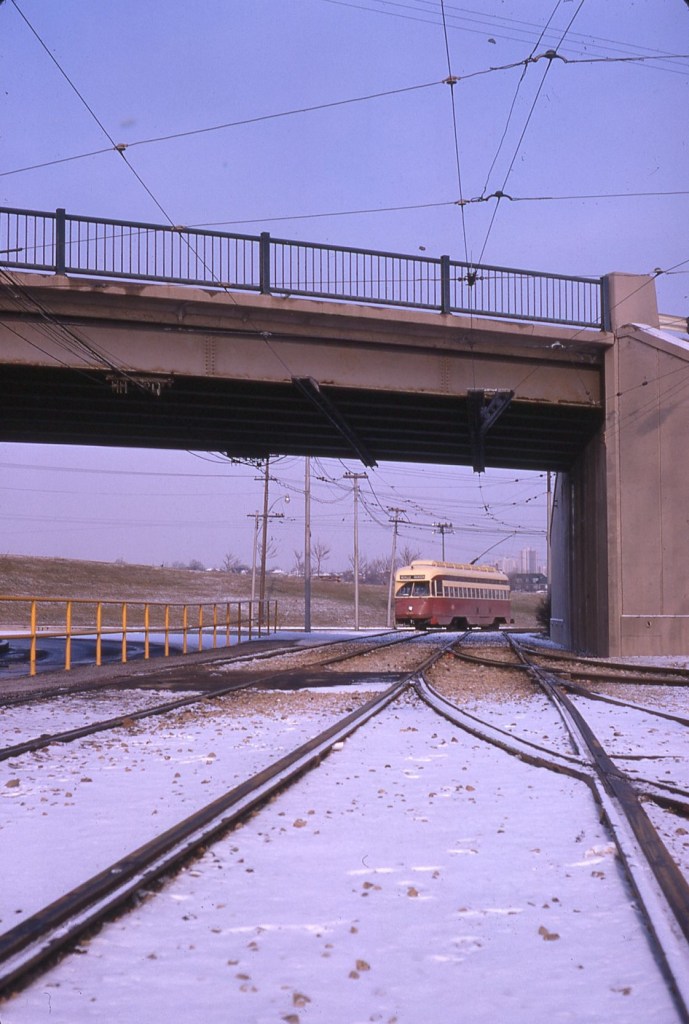
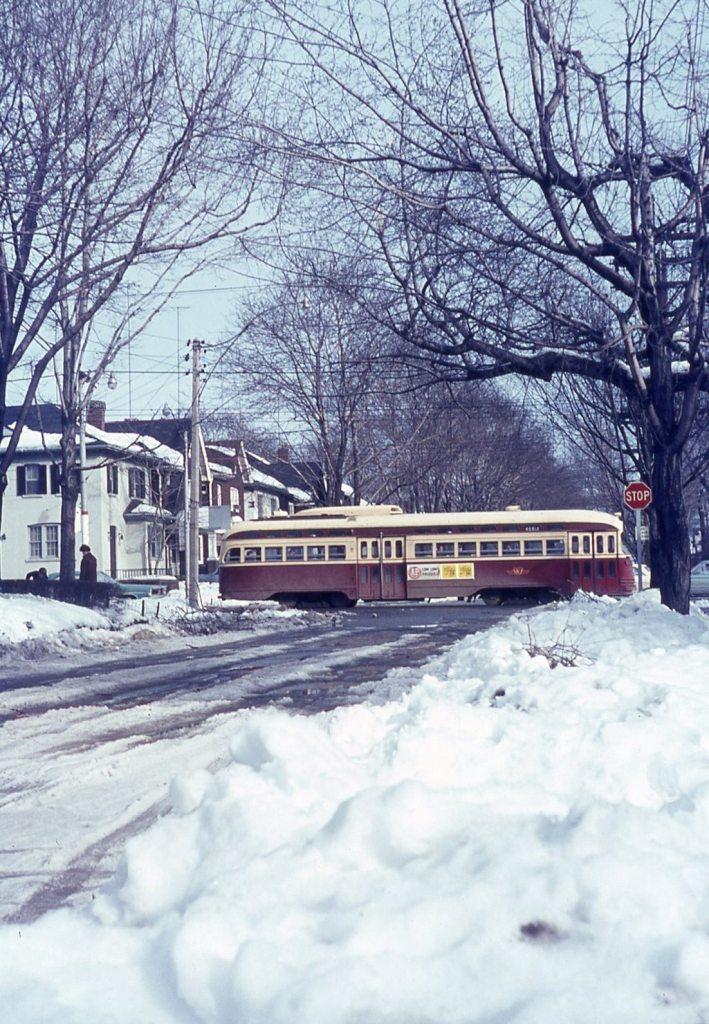
A Short Holiday Gallery

TTC 2024 Budget Preview: Part II – Capital

In the first article in this set, I reviewed the TTC’s Operating Budget for 2024. Now, I turn to the Capital Budget and Plan for the year 2024, the 10-year period out to 2033, and the 15-year period to 2038. Reports cited here include:

Capital budgets and plans exist in three formats, each with its own purpose:

  • The annual Capital Budget sets out spending for the coming year. For multi-year projects, only current year spending is included, plus any carry-overs from incomplete work in the previous year.
  • The ten year Capital Plan shows spending planned for the coming decade, and this feeds into a comparable plan at the City of Toronto. Only items for which funding can be reasonably expected are included, and this tends to make the plan lighter on the back end. In past years, some items have been carried “below the line” as unfunded, but desirable, usually major rapid transit projects.
  • The fifteen year Capital Investment Plan shows everything (or almost) that the TTC foresees as capital requirements in coming years. Over the years, it was quite evident that many, many items were not being reported even in the “below the line” portion of the Capital Plan.

The Capital Investment Plan (CIP) gave City politicians and managers a severe case of indigestion when it was first published in 2019 because the total involved, well over $30 billion, was more than three times the size of ten year Capital Plans normally presented by the TTC. This addressed a long-standing problem where capital requests would appear out of thin air because they had never been approved as part of the Capital Plan, and TTC long-range requirements were very different from the numbers usually cited.

Transparency is a double-edged sword because any new scheme will usually show up in the CIP complete with a cost. In the 2024 version, the effect is particularly substantial with a jump to a total of almost $48 billion. Later in the article, I will review the CIP’s evolution over recent years to show the origin of this increase.

A major problem with the various budgets is that they are huge, and the TTC Board has an aversion to long, complex reports. Moreover, there is no Budget Subcommittee of the Board to develop some expertise on the matter, and even when one existed, it met rarely, if ever.

The current Capital Budget was always of most concern because it was usually presented just before it had to be rolled up into the City’s budget, and there was no scope for tinkering. As long as enough money was found somewhere, the immediate financial crisis would pass, and long-range planning would be left for another day. That day rarely came, but it suited the former regime at City Hall not to have the TTC’s or City’s financial peril exposed to much scrutiny. Now that Toronto’s gaping budget hole is out in full view, we can see just how badly the city and transit system have been served by years of pretending our needs were “affordable”.

Continue reading

TTC Service Changes Effective January 7, 2024

The TTC will adjust service on many routes with the January 2024 schedules.

A summary of all changes is in the spreadsheet linked here showing a before and after view of the affected routes. Note that the “before” data are from the November 2023 schedules which do not include the holiday period’s service cuts. All of those cuts are restored in the 2024 schedule, and they are not listed here.

TTC Service Changes 2024.01.07

Updated December 30, 2023:

  • Maps of route changes have been added from the corresponding TTC Service Changes pages.
  • The revised 501B Queen looping at Broadview & Gerrard has been added.
Continue reading

TTC 2024 Budget Preview: Part I – Operating

The TTC Board’s meeting agenda for December 20, 2023 deals primarily with the 2024 Operating Budget, the Capital Plans looking forward 10-15 years, the growing backlog of State of Good Repair (SOGR) spending, and a preliminary look at the Five Year Corporate Plan. A few items are carried over from the December 7 agenda that the Board could not complete due to time limitations, of which the most significant is the quarterly financial review.

In this article I will preview the Operating Budget, but will turn to the Capital Budget in a second piece. I will also follow-up the Board meeting discussion and additional presentations from staff.

Major Issues

The overwhelming issue is, of course, funding: who will pay to continue TTC operations at their current level let alone to improve them?

No fare increase is proposed for 2024 “in recognition of the impact current economic conditions have on customers”. This has a cost in increased subsidy, or more subtly in works not undertaken for lack of revenue, if the gap is not filled. In 2024, this gap will use a reserve draw, but that approach is not sustainable due to declining reserves and the escalating cost from year to year of a continued freeze.

A political challenge in seeking profincial and federal subsidies for covid shortfalls is that a fare freeze appears to come on the back of covid payments that might not otherwise be claimed.

More generally, the idea of “covid costs” is going to run out of steam soon as support programs close down at the provincial and federal level. The TTC and City must figure out what TTC plans look like based on current revenue and ridership, plus whatever added subsidy might be available.

Future years include major challenges with a continuing reduction of core area work trips compared to pre-pandemic conditions. While total weekly trips might be lower than historical levels, daily volumes show considerable variation both on transit and traffic conditions. Service planned on the basis of average demand could be overloaded on the peak days.

Although the budget speaks of a return to 97% of the Service Budget level by Fall 2024, this is qualified by a note that this is to address traffic congestion. In terms of actual service level (i.e. buses per hour), riders may not see as much improvement as the 97% figure implies. There is almost no provision for additional streetcar and subway service. Peak subway service continues to operate at a much lower level than pre-pandemic schedules in spite of an overall return to 83% of the former service.

The budget contains little provision for additional service related to demand growth, nor is there any discussion of the implications of a growth rate higher than the assumed value. Ironically, added costs are included for maintenance of the growing streetcar fleet, but not for actual operation of these vehicles. Capital plans for buses see only a modest growth in fleet size and, by implication, in service levels.

There is no discussion of reversing changes to Service Standards implemented by management in 2023 that brought allowable off-peak crowding to almost peak levels. This keeps the cost of service down, but affects its attractiveness.

The net effect of demand changes in the core is that the TTC’s share of the travel market is falling even though ridership is strong for non-core trips with a higher recovery rate.

There is a major disconnect between capital plans for substantial growth in core area capacity on the rapid transit and GO networks, and the very modest plans for service growth to the same area.

This is very much the kind of budget presentation we have seen through many years of the Tory regime with small-scale changes. Given the funding limitations, this is no surprise, but there must also be a reconciliation between political aims for greater transit and what the money sitting on the table will actually pay for.

Other City initiatives, notably a greener fleet and proposals for massive service expansion, affect the Capital Budget and, eventually the Operating Budget, but these must be understood in the context of a basic question: what do we spend our money on? Basic operations and service quality will be compromised by bad choices or by simply hoping that a transit equivalent of the Tooth Fairy will appear.

Continue reading

TTC Seeks Track Engineering Consultants

On November 16, 2023, the TTC posted an RFP (number P58PW23631) on the Bonfire bidding website for “Track Maintenance Consultant Services”.

The short description, on the title page, is:

The Scope of Work of this Contract includes, but is not limited to the provision of Consulting Services specializing in rail transit to provide track and structure engineering support.

This caught my eye because of the SRT derailment that shut down that line prematurely earlier this year. Although TTC management stated that the full report on this incident would come out “in a few weeks”, it is now mid-December and the report has not been released.

In the September report to the TTC Board, the cause was cited as loose bolts holding the reaction rail which allowed it to be pulled upward by magnetic forces and collide with the train. What was not explained was how the condition of the track reached a point where this could happen.

Recently, the City’s Auditor General reviewed the practices of Streetcar Overhead maintenance, and found them badly wanting. On questioning at the Board meeting, the TTC’s head of infrastructure acknowledged that Streetcar Overhead was likely the worst department on that count, but it was not the only one. This begs an obvious question: what other TTC departments are not producing top quality work and what is the effect on service and safety. A second equally important question is how did TTC practices decline.

We hear a great deal about system safety with homeless people living in the subway, and panhandlers (or worse) harassing passengers, but the context for discussion is that these problems originate outside of the TTC. Is there a generic problem with maintenance, and hence with safety and reliability, within the system itself?

The first of a series of goals here is “Increase passenger and overall system safety”. Another goal to “Increase competence and capability of Track Maintenance and Engineering staff” is equally troubling.

Through the entire Scope of Work is a sense that much needs to be improved within the TTC’s subway track maintenance activities.

Continue reading

TTC Service Changes Effective December 24, 2023

The TTC will institute a number of service changes for the holiday period between Sunday, December 24, 2023 and Saturday, January 6, 2024.

All of these involve service cuts usually made over this two week period with the removal of school trips on many routes. These will be restored in the January schedules.

On all routes but one, the change is implemented either by switching back to the summer 2023 schedule or by amending the existing schedule to remove the extra trips.

38 Highland Creek has an extended route this year compared to 2022, and so it has a new “summer” schedule for the coming holiday. This will be used in 2024. Other routes extended as part of the SRT replacement do not have school trips, and so they are not affected by the holidays.

Service Changes Effective 2023.12.24

The file linked here contains lists of the routes that will lose school trips and/or will have summer service for the two week period. The last page of this file details the TTC’s plans for service on a day-by-day basis including New Year’s Eve. The arrangements are identical to those for 2022 except that there are no “last train times” for the now-discontinued Line 3.

No new diversions have been announced for the holiday period although it would not surprise me if a whole pack of Grinches is working on a last minute “gift” for transit riders.

The Politics of Outsourced TTC Vehicle Cleaning and Servicing

Updated December 20, 2023: As of today, Board member Ron Lalonde, whose term was to run until February 2025, resigned creating a vacancy that could be filled with a non-Tory aligned citizen member.

At its December 7, 2023 meeting the TTC Board considered a management report recommending the continued outsourcing of surface vehicle cleaning and servicing. This proved to be a very contentious issue triggering a long in camera session after which the recommendation was adopted in part, but with one amendment, and on a split vote.

Background

Outsourcing of bus cleaning began under CEO Andy Byford as an outgrowth of Toronto’s core services review. It began as a pilot at Mount Dennis and Malvern garages, and from November 2013 was expanded to the (then) full seven garages. When that contract expired at the end of 2017, a new contract was signed covering the period to the end of 2023.

In 2020, as part of the Covid response, the work of disinfecting all vehicles, including streetcars and subway trains, was added to the contract.

Cleaning and servicing of streetcars was added to the contract in September 2021 with a December 2023 end date, and an option for two additional one-year terms. Starting in January 2023, midday in-service streetcar cleaning was added as part of “TTC’s action plan with respect to community safety, security and well-being”.

The contractor, TBM Service Group Inc., uses employees under Local 2 of the Service Employees International Union, and pays wages higher than the statutory minimum, but not as high as comparable work that would be done by Amalgamated Transit Union 113. ATU claims that this work is rightfully theirs, and that the TTC is in breach of contract by outsourcing it. This is a long-standing dispute.

TTC argues that TBM’s employees are 40% female and 85% visible minority, but this does not speak to what the breakdown might have been had the work stayed with ATU. For their part, ATU argues that the cleaning and servicing positions were entry level jobs to the TTC which are no longer available.

TTC also argues that having ATU staff perform these functions created problems at garages because of staff shortages. When other maintenance workers filled in, this left repair work unfinished. The TTC argues on the basis of efficient staff usage without addressing why they were short cleaners in the first place.

TTC also claims that vehicle reliability has gone up over the outsourcing period, but does not address other possible factors such as:

  • the average fleet age which has been falling as the shift to a 12-year replacement cycle builds into the system,
  • the under-utilization of the fleet thanks to pandemic-era service cuts allowing the worst performing buses to be sidelined,
  • the opening of McNicoll Garage relieved bus crowding at other locations that interfered with efficient maintenance.

The TTC acknowledges that the work model implemented by TBM is an improvement over past TTC practices, and they would adopt it although costs would rise because of higher ATU wage rates.

TBM has since refined the business model to adopt a production line approach utilizing dedicated workforce to perform each activity. If the TTC were to perform servicing and cleaning in-house, the TTC would be inclined to adopt a similar business model as TBM to ensure continued success of KPIs. Using TBM’s business model, the TTC would need to increase its workforce compared to the 2012 business model. The expected cost avoidance of second sourcing with the updated workforce model is approximately $101.83 million over the contract term (2024-2028) or an average annual cost avoidance of $20.37 million.

Appendix A – Bus and Streetcar Servicing & Cleaning – Benefits & Performance p. 5

Leaving aside the question of cost, this begs the question of whether the TTC was attempting to make do with fewer staff than needed when the work was in house.

Continue reading

Moving to Electric Buses: TTC Plan Update

At its meeting of December 7, 2023, the TTC Board received a staff presentation on its bus electrification plan.

The City of Toronto has a goal to move to a zero-emission fleet across all departments by 2040 with interim goals of 20% in 2025 and 50% in 2030. TTC’s electrification plans fit within that timeframe.

Of the TTC’s greenhouse gas (GHG) emissions, in 2019 80% of these came from the diesel bus fleet.

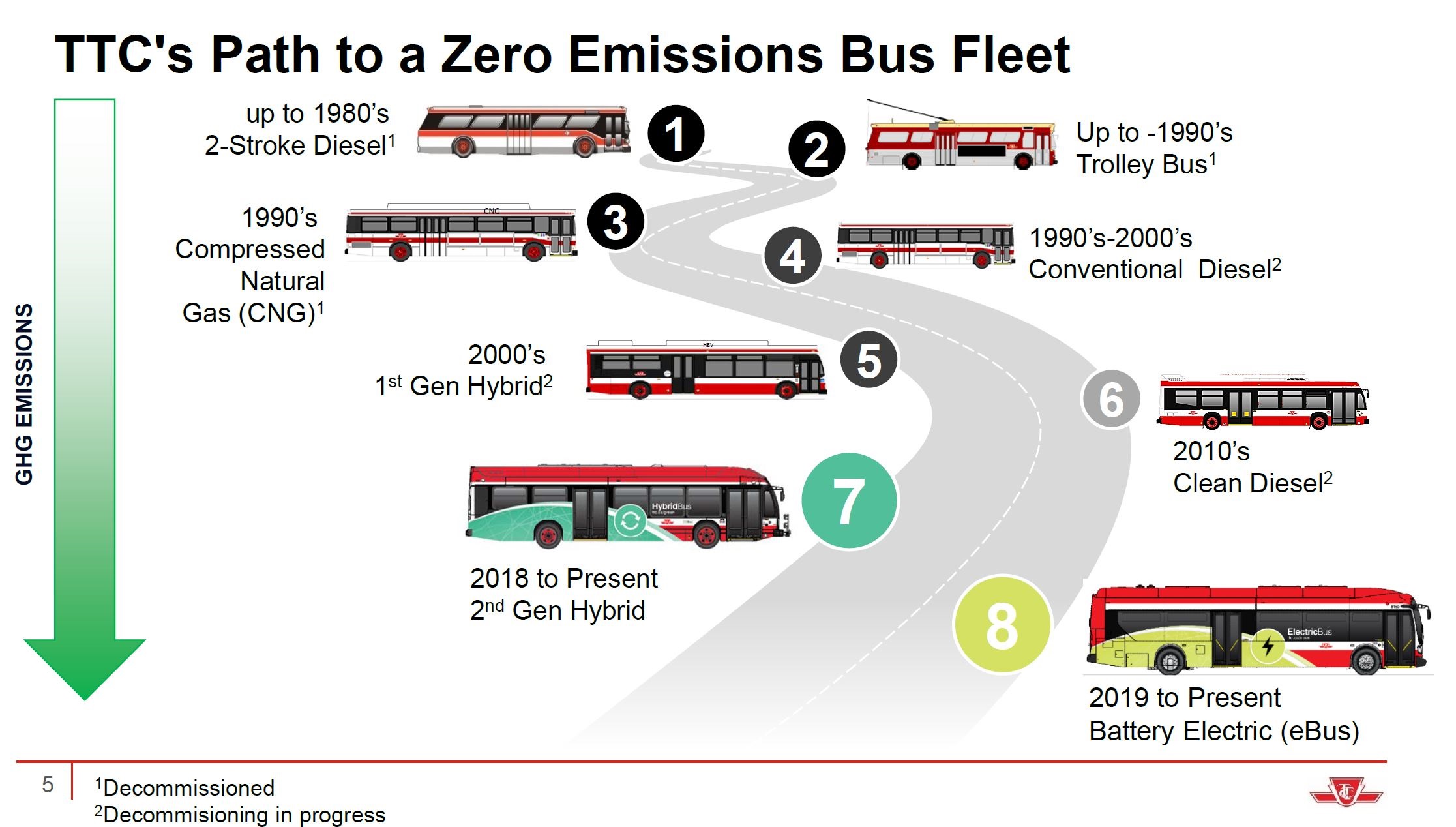
The history of a move to an all-electric fleet is shown in the TTC drawing below. Three decades ago, the TTC was seduced into “greening” its fleet by the replacement of electric Trolley Buses by CNG-powered buses. This was the result of an alliance between TTC management who wanted rid of the TBs, the gas industry which has a surplus of product, Ontario Bus Industries who wanted an untendered contract, and the new technology arm of the Ministry of Transportation who were desperate to show some sort of progress. (This was not the first, nor the last time provincial boffins would meddle in transit technology choices.)

Continue reading

Downtown Route Changes Effective December 11, 2023 (Updated)

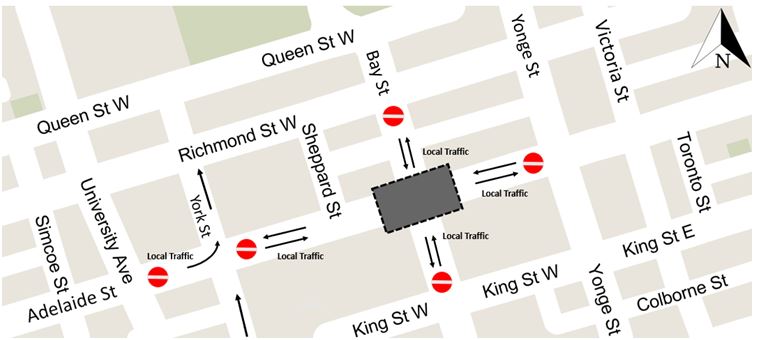
The City of Toronto will completely close the intersection of Bay & Adelaide from 7am Monday, December 11 to 7am on Saturday December 16 to all vehicles. Bay and Adelaide Streets will be open only for local traffic in the immediate area of the closure. This continues the work of (re-)installing streetcar track on Adelaide for the eastbound 501 Queen streetcar diversion around Ontario Line contruction.

Updated: Work at Bay and Adelaide actually completed on the afternoon of Friday, December 15 and the intersection reopened earlier than planned.

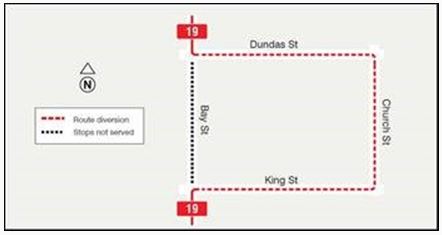
This will require diversion of the 19 Bay and 501B Queen bus routes.

The 19 Bay bus will divert via Dundas, Church and King both ways.

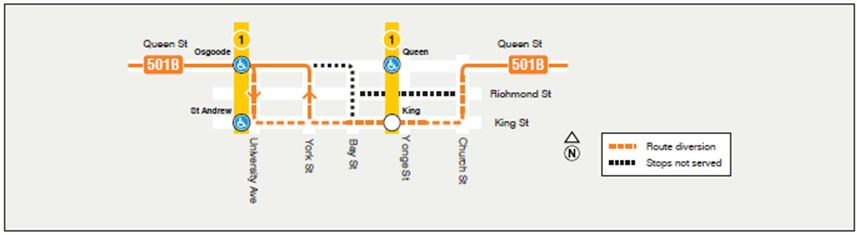
The 501B Queen bus which normally operates on Bay from King to Queen will use York Street for north/westbound trips and University Avenue for south/eastbound trips. Buses will operate both ways via King Street, and there will be no westbound service on Richmond Street

[Apologies for the soft images. They are from a City construction notice, and I used what is available.]

End of the King East Diversions

As the map for 501B Queen above shows, service is supposed to resume the normal routes east of Church with the completion of water main and Hydro work on the coming weekend which has a December 10 end date. This means that:

  • 501B Queen buses return to Queen Street east of Church
  • 503 Kingston Road streetcars return to King Street between the Don River and Church
  • 504 King streetcar service to Distillery Loop resumes

Updated December 11, 2023 at 4:15 pm

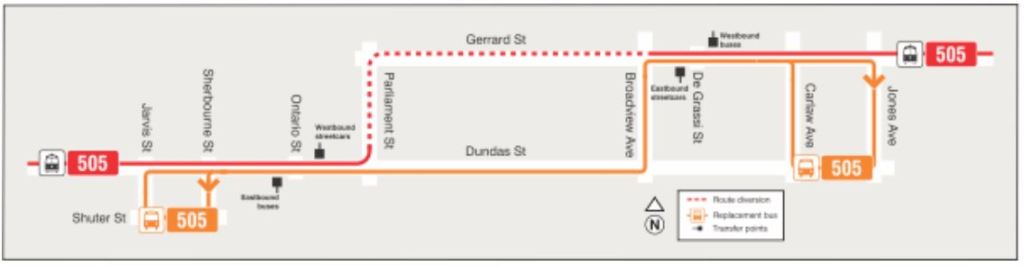
Another diversion has been added to the list. The 505 Dundas cars will divert both ways via Parliament and Gerrard. A 505 shuttle bus will run from Jarvis to Jones.

This diversion is required for track repairs, and will last until Thursday, December 21, 2023.

Updated: This diversion ended on Tuesday, December 19.